Okay, buckle up, folks! Ten years of Ethereum. A decade since Vitalik Buterin, a *teenager*, laid out a vision that has reshaped, and continues to reshape, the very fabric of finance. I mean, think about that for a second. A kid frustrated with World of Warcraft losing his character progression, and that frustration births a revolution? It’s the kind of origin story that makes you want to stand up and cheer.
It started with a white paper, a seemingly simple document outlining "smart contracts"— automated programs that execute themselves. I remember reading it back then, and honestly, it felt like science fiction. But here we are. Smart contracts are the backbone of DeFi, NFTs, and a whole host of other innovations that were barely imaginable a decade ago.
Ethereum's Growing Pains: Proof of a Living Ecosystem
Ethereum's Early Challenges and Evolution
Ethereum wasn't without its bumps. The DAO hack in 2016? A crisis, no doubt. $150 million GONE. It led to a split, a schism in the community, creating Ethereum Classic. Some saw it as a violation of the blockchain's core principle of immutability. But honestly, I think it proved something even more important: Ethereum's ability to adapt, to learn, to evolve. It showed that this wasn’t just a technology; it was a living, breathing ecosystem.
DeFi, NFTs, and The Merge: A Sustainable Revolution?
The Rise of DeFi and NFTs
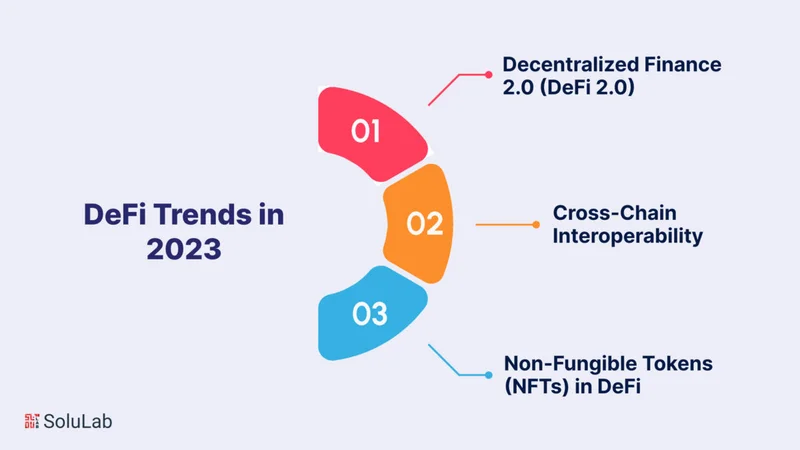
And then came the boom. DeFi. Lending, borrowing, trading—all decentralized, all powered by Ethereum. And NFTs! Remember CryptoKitties? A little silly, maybe, but it showed the world the potential of digital ownership, of unique, verifiable assets on the blockchain. The Merge in 2022? A stroke of genius! Slashing energy consumption by 99%? That’s not just good for the planet; it's a signal that Ethereum is serious about building a sustainable future.
ETH Goes Corporate: A Billion-Dollar Bet on the Future
Institutional Adoption and Investment
Now, major corporations are treating ETH like digital gold. BitMine Immersion Technologies, backed by Peter Thiel and Cathie Wood (names that always make me sit up a little straighter!), holds *over a billion dollars* in ETH. A billion! That's not pocket change; that’s a serious vote of confidence. And with spot Ethereum ETFs approved in the U.S. last year, institutional access is exploding. It's the natural next step, really.
Ethereum: Powering a New Era of Individual Sovereignty
Ethereum's Broader Impact: Empowerment and Global Commerce
But here's the *big idea*, the thing that gets me truly excited: Ethereum isn't just about finance; it's about empowerment. It's about giving individuals more control over their data, their assets, their lives. Stablecoins are already being used to streamline payments across borders, making it faster and cheaper to send money home to loved ones. Paul Brody at EY says the Ethereum blockchain ecosystem processed $2 trillion in stablecoin payments last month alone, with over 99% in US dollars! Think about the implications for emerging markets, for people who are underserved by traditional financial systems. You can read more about how blockchain is transforming global commerce in
Paul Brody, EY: How Blockchain Is Transforming Global Commerce.
Beyond Bitcoin: Businesses Dive into the Blockchain Revolution
Business Applications and Future Challenges
And it's not just about individuals. Businesses are starting to explore the potential of blockchain to automate contracts, streamline supply chains, and create new revenue streams. CFOs and treasurers are asking themselves: Can I make stablecoin payments? Should I include bitcoin in my corporate treasury? Can I automate my business contracts? These aren't hypothetical questions anymore; they're real challenges that businesses are facing *right now*. I saw one comment on Reddit that put it perfectly: "Ethereum is like the internet in 1995. It's clunky, it's messy, but you can see the potential for something truly revolutionary."
Of course, there are challenges. Privacy is still a concern. Scalability is still an issue. And there's always the risk of regulation stifling innovation. But I'm optimistic. I believe that the Ethereum community is smart enough, resilient enough, and passionate enough to overcome these challenges. And we have to be mindful of the ethical considerations. This technology has the power to do so much good, but it also has the potential to be misused. We need to ensure that it's used responsibly, ethically, and in a way that benefits everyone.
Ethereum: Building a Future of Hope and Empowerment
The Promise of a Decentralized Future
But imagine a world where financial transactions are seamless, transparent, and accessible to everyone. Imagine a world where artists can sell their work directly to fans, without intermediaries taking a cut. Imagine a world where individuals have complete control over their data, and where their identity is protected. That's the promise of Ethereum. That's the future we're building. And honestly, when I think about it, I just get this feeling of immense hope. It's the kind of breakthrough that reminds me why I got into this field in the first place.
Ethereum: Laying the Foundation for a Decentralized Future
Conclusion: The Revolution Has Begun
Ten years is just the beginning. Ethereum has laid the foundation; now it's up to us to build the future on top of it. It’s not just about finance; it’s about fundamentally changing how we interact with the world. The revolution has begun.